Source Natural Stone Ring for Jewelry, Gifts, and Collectibles
Compare 30 listings for natural stone ring options including nephrite jade and malachite varieties. Buyers can review specifications like size, material, and origin from Chinese suppliers to find suitable pieces for jewelry, gifts, and collectibles.
Key considerations
Products List
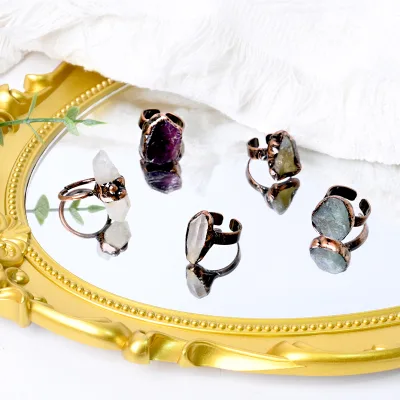
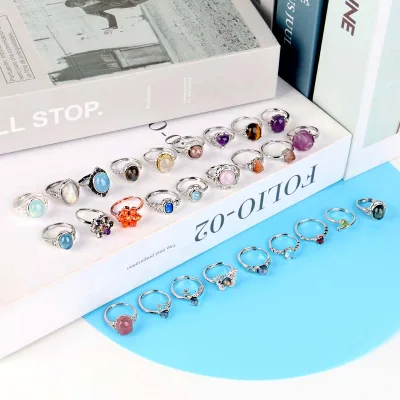
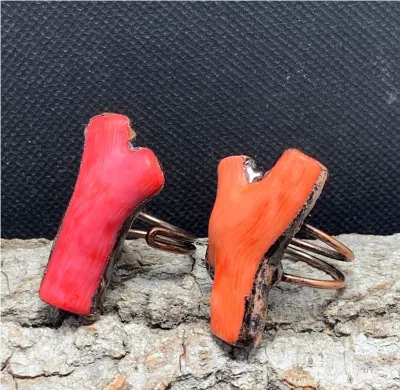
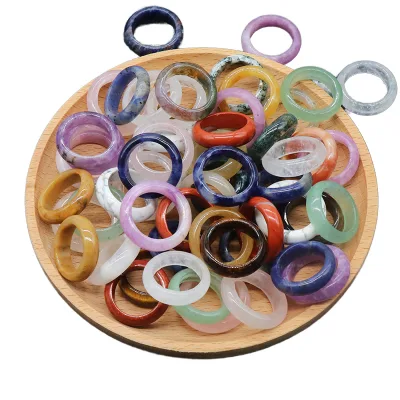
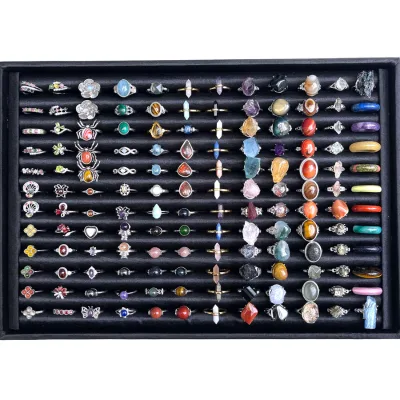
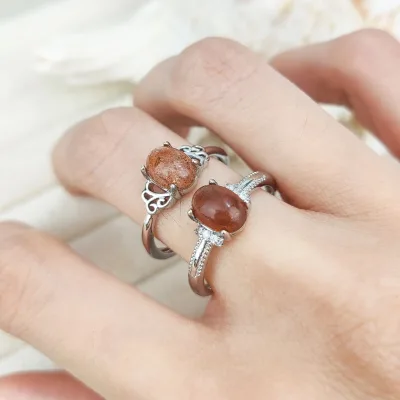
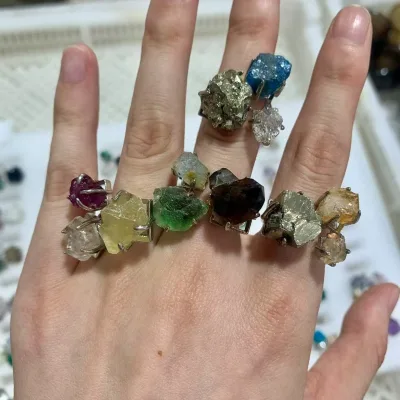
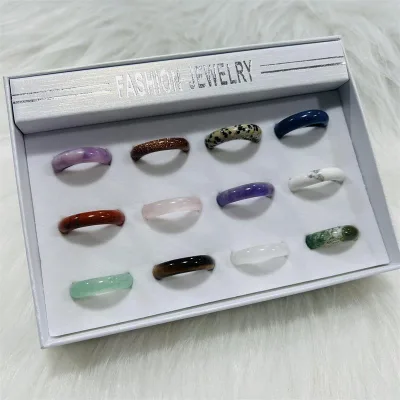
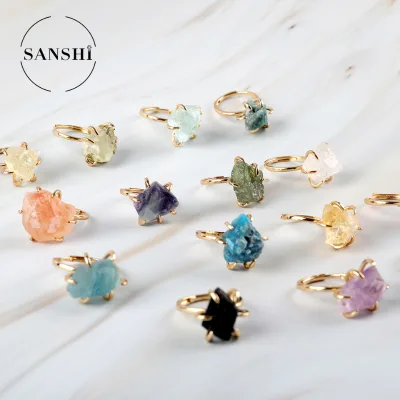
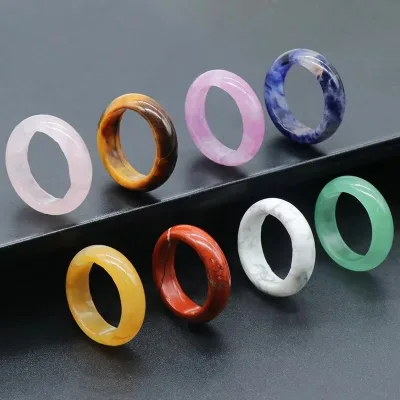
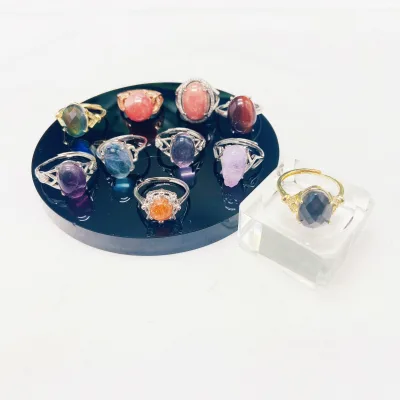


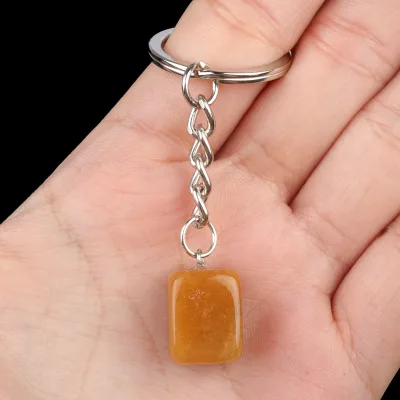


Comprehensive Sourcing Guide
Strategic Sourcing Guide for Natural Stone Rings
The global market for natural stone rings presents a complex landscape for B2B buyers, characterized by significant variation in material composition, manufacturing techniques, and supply chain origins. When researching the core keyword "natural stone ring," procurement professionals must navigate a wide array of product attributes that range from specific mineral types like nephrite jade and malachite to broader categories such as crystal stones and gemstones. The following guide synthesizes observed market data and industry standards to provide a disciplined framework for sourcing, evaluating, and procuring these items. Buyers must treat product attributes as observations rather than universal claims, ensuring that every procurement decision is backed by verified supplier data and rigorous quality control protocols.
Material Composition and Mineralogical Verification
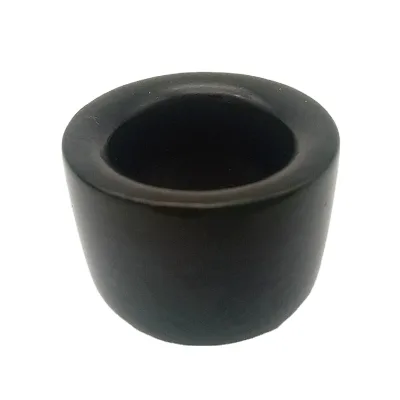
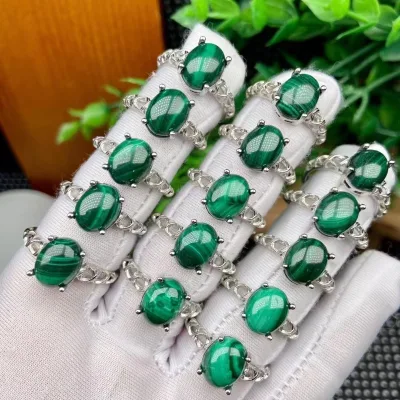
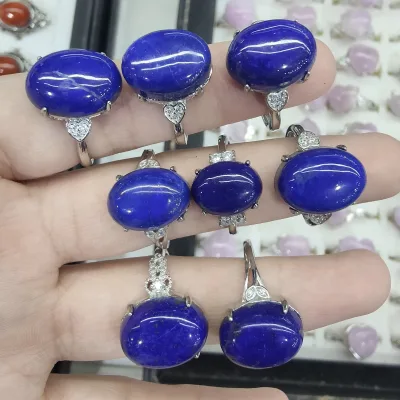
The foundation of any natural stone ring procurement strategy lies in the precise identification of the raw material. Market listings frequently cite specific minerals, such as "Nephrite" for jade rings or "Malachite" for other varieties, alongside broader classifications like "Gemstone" or "Crystal." For instance, observed product data indicates that some rings are explicitly manufactured from Nephrite, a variety of jade known for its durability and specific green hue, while others utilize a Copper Alloy base with a Gemstone inlay. This distinction is critical because the physical properties, durability, and market value of nephrite differ significantly from those of malachite or generic crystal stones.
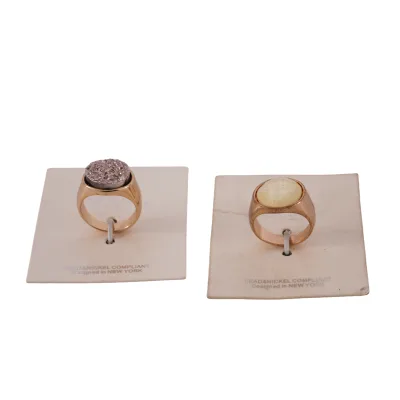
Buyers must verify the material composition through supplier documentation rather than relying solely on product titles. The presence of "Copper Alloy" as a base material in some listings suggests that the stone may be a setting or a composite rather than a solid stone ring. In contrast, listings specifying "Nephrite" or "Malachite" imply a more substantial use of the mineral. When evaluating suppliers, procurement teams should request mineralogical certificates or detailed material breakdowns that confirm the percentage of natural stone versus metal alloy. The "Material Type" field in supplier profiles often lists "Copper Alloy," which necessitates a secondary verification of the stone's authenticity. Without this verification, buyers risk receiving products where the "natural stone" component is merely a veneer or a small accent rather than the primary structural element.
Technical Specifications and Dimensional Standards
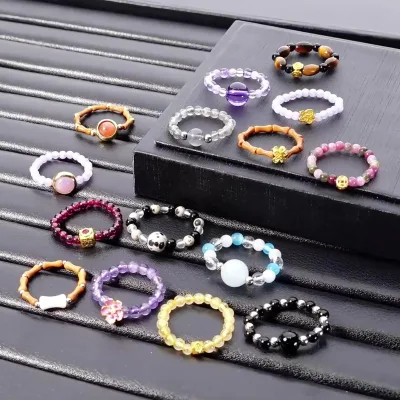
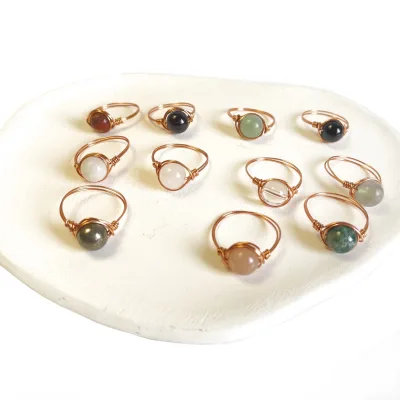
Technical specifications define the physical parameters of the product and are essential for inventory planning and retail positioning. Observed data reveals a diverse range of sizes, with specific listings noting dimensions such as "20mm, 22mm" for jade rings and "18-20mm" for other varieties. Furthermore, some products are described as "Size Adjustable" or "Resizable," indicating a flexible design approach that caters to a broader demographic. The "Shape" attribute varies from "round" to "as the picture," suggesting that some designs are custom or non-standard.
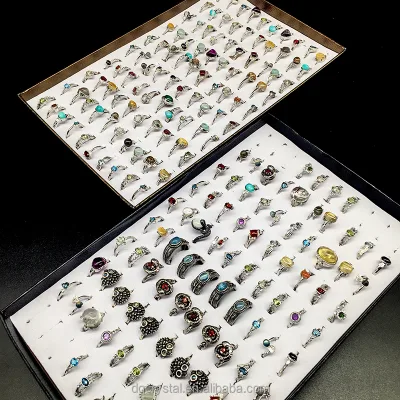
Dimensional consistency is a major challenge in sourcing natural stone rings due to the organic nature of the materials. Unlike mass-produced metal rings, natural stones may exhibit slight variations in size and weight. The "Single gross weight" for these items can range significantly, with some listings recording weights as low as 0.001 kg and others at 0.130 kg. This variance underscores the importance of establishing a tolerance range during the specification phase. Buyers should define acceptable weight and dimension tolerances in their purchase orders to prevent disputes upon delivery. Additionally, the "Single package size" varies from compact 1x1x1 cm units to larger 7x8.5x4 cm boxes, which directly impacts logistics planning and shipping cost calculations.
Manufacturing Techniques and Design Attributes
The aesthetic and structural integrity of natural stone rings are heavily influenced by the manufacturing techniques employed. Market observations highlight two primary techniques: "Polished" and "Carved." Polished stones typically offer a smooth, reflective surface that enhances the natural luster of the mineral, making them suitable for "Fashion" style applications. Conversely, carved stones, often associated with "Folk Art" styles, involve intricate detailing that requires skilled craftsmanship. The "Technique" attribute is a key differentiator that affects both the production time and the final price point.
Design attributes such as "Style" and "Pattern" further refine the product's market positioning. Listings indicate styles ranging from "Fashion" to "Folk Art," and patterns described as "Other" suggest custom or unique designs. The "OEM/ODM" capability is frequently marked as "ok," indicating that many suppliers are willing to customize designs, including shape and finish. However, buyers must ensure that the customization process does not compromise the structural integrity of the natural stone. For example, carving a brittle stone like malachite requires specific tooling and expertise to prevent chipping. The "Shape" attribute, whether "round" or "as the picture," must be clearly defined in the design brief to avoid ambiguity.
Compliance, Certification, and Regulatory Checks
While specific certification status is not universally listed in the provided data, compliance with international safety and trade standards is a non-negotiable requirement for B2B procurement. Buyers must verify that the natural stones used do not contain hazardous substances such as lead, cadmium, or arsenic, which can be present in certain mineral deposits. Although the observed data mentions "Payment" methods like "Paypal/Western Union" and "Shipping" via "DHL, UPS, FEDEX," it does not explicitly list safety certifications. Therefore, procurement teams must proactively request test reports from independent laboratories to confirm compliance with regulations such as REACH in Europe or CPSIA in the United States.
The "Regional Feature" of "Europe" in some listings suggests that certain products may be marketed specifically for the European market, potentially implying adherence to stricter EU standards. However, the "Place of Origin" is listed as "Tianjin, China" or "Jiangsu, China," indicating that the manufacturing base is in China. This geographical distinction requires buyers to navigate the regulatory requirements of both the manufacturing country and the destination market. Buyers should verify that the supplier has a history of exporting to the target region and can provide documentation proving that the products meet the specific safety and labeling requirements of that region.
Cost Drivers and Pricing Dynamics
The pricing of natural stone rings is influenced by a complex interplay of factors, including material rarity, manufacturing complexity, and order volume. The observed price range in the market spans from 0.4 to 50 USD, reflecting the vast difference between mass-produced fashion items and high-end collectible pieces. The "MOQ" (Minimum Order Quantity) ranges from 1 to 100 pieces, offering flexibility for small buyers but potentially limiting bulk discounts for larger orders.
Cost drivers include the "Material" type, with nephrite and malachite generally commanding higher prices than generic crystal stones. The "Technique" also plays a significant role; "Carved" items typically cost more than "Polished" ones due to the labor intensity involved. Additionally, the "Production Time" of 3-10 days for some items suggests that rush orders may incur additional costs. Buyers should analyze the total cost of ownership, including shipping fees, which vary based on the "Single package size" and "Single gross weight." A product with a weight of 0.130 kg will incur higher shipping costs than one weighing 0.001 kg, even if the unit price is similar.
Supplier Evaluation and Quality Control Protocols
Evaluating suppliers requires a multi-dimensional approach that goes beyond price and lead time. Key evaluation criteria include the supplier's "Brand Name," "Model Number," and "Application" focus. For example, a supplier offering "Art & Collectible" items may have different quality standards compared to one focusing on "Souvenirs" or "Gifts." The "Application" field helps buyers align their procurement with their target market; a ring intended for "Art & Collectible" purposes must meet higher aesthetic and durability standards than one for "Souvenirs."
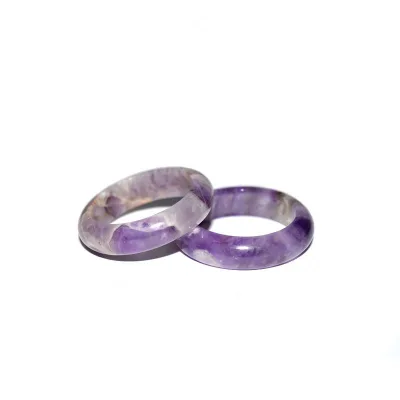
Quality control protocols should be established early in the sourcing process. Buyers must define clear acceptance criteria for color, shape, and finish. The "Color" attribute lists "Green" and "Purple," but natural stones often exhibit color variations. Buyers should request sample photos or physical samples to verify that the color matches the expected range. The "Packing" details, such as "Safety package with foam inside and strong box outside," are crucial for preventing damage during transit. Buyers should verify that the packaging is robust enough to handle the fragility of natural stones, especially for items with "Carved" techniques that may have delicate protrusions.
Long-Term Procurement and Supply Chain Resilience
Long-term procurement strategies for natural stone rings must account for supply chain resilience and market trends. The "Production Time" of 3-10 days indicates a relatively short lead time, but buyers should consider the potential for delays due to material shortages or seasonal demand spikes. The "Regional Feature" of "Europe" suggests that some suppliers may have established logistics networks for that market, which could be advantageous for buyers targeting European retailers.
Buyers should also consider the "OEM/ODM" capabilities of their suppliers. The ability to customize designs allows for greater flexibility in responding to market trends. However, customization requires clear communication and detailed specifications to ensure that the final product meets expectations. Long-term relationships with suppliers who demonstrate consistent quality and reliability are essential for maintaining a stable supply chain. Buyers should conduct regular audits and performance reviews to ensure that suppliers continue to meet the required standards over time.
In conclusion, sourcing natural stone rings requires a disciplined approach that balances technical specifications, material verification, and supplier evaluation. By adhering to the guidelines outlined above, buyers can mitigate risks and ensure that their procurement decisions align with their business objectives and market demands. The diversity of the market, from "Nephrite Jade Rings" to "Malachite Rings," offers ample opportunity for strategic sourcing, provided that buyers remain vigilant in their verification and quality control processes.
FAQs
What materials are used for natural stone rings?
Natural stone rings are commonly made from Nephrite jade, Malachite, or Crystal stones. Some designs use a Copper Alloy base with a Gemstone inlay. Buyers should verify material composition through supplier documentation to ensure authenticity.
How can I verify the size of a natural stone ring?
Rings often come in specific sizes like 18-20mm or 20-22mm, while others are Size Adjustable. Since natural stones vary, buyers should define acceptable weight and dimension tolerances in their purchase orders to prevent disputes upon delivery.
Which manufacturing techniques are available for these rings?
The available techniques include Polished and Carved finishes. Polished stones offer a smooth surface suitable for Fashion styles, while Carved stones feature intricate detailing often associated with Folk Art styles and require skilled craftsmanship.
Can I customize the design of a natural stone ring?
Yes, many suppliers offer OEM and ODM services with customization marked as ok. Buyers must ensure the customization process does not compromise the structural integrity of the natural stone, especially for brittle materials like malachite.
What is the typical minimum order quantity for these rings?
The Minimum Order Quantity ranges from 1 to 100 pieces depending on the supplier. This flexibility allows small buyers to start with single items, though bulk discounts may be limited for larger orders depending on the specific vendor.
How are natural stone rings packaged for shipping?
Products are typically packed in a Safety package with foam inside and a strong box outside. Packaging dimensions vary from 1x1x1 cm to 7x8.5x4 cm, which directly impacts logistics planning and shipping cost calculations for buyers.